
Why Fiber is Your Best Friend (And How to Get More of It)
In this article:
We hear it all the time: "Eat more fiber." But why is it so important? For a long time, I ignored fiber. I thought it was just for older people or that it would make me feel bloated and uncomfortable.
I was wrong.
Once I started paying attention to my fiber intake, my digestion improved, my energy levels stabilized, and—surprisingly—my cravings for sugary snacks decreased significantly.
Here is everything you need to know about why fiber is your best friend, and how to add it to your daily routine without feeling like you're eating cardboard.
What Exactly is Fiber?
Fiber is a type of carbohydrate found in plant foods. Unlike other carbs, your body doesn't break it down into sugar. Instead, it passes through your digestive system, helping to regulate your body's use of sugars, keeping hunger and blood sugar in check.
There are two main types:
- Soluble fiber: Dissolves in water to form a gel-like material. It can help lower blood cholesterol and glucose levels. (Found in oats, peas, beans, apples, and citrus fruits).
- Insoluble fiber: Promotes the movement of material through your digestive system and increases stool bulk. (Found in whole-wheat flour, wheat bran, nuts, and vegetables like cauliflower).
3 Reasons Why Fiber Should Be Your Best Friend
1. It Keeps You Full (Goodbye, Snacking)
Foods rich in fiber take longer to chew and stay in your stomach longer. This means you feel satisfied after a meal and are less likely to reach for a snack an hour later. If you struggle with sugar cravings like I did, adding fiber to your breakfast is a game-changer.
2. It Balances Blood Sugar
Because fiber isn't digested like other carbs, it doesn't cause a spike in blood sugar. Instead, it slows down the absorption of sugar into your bloodstream, providing a steady release of energy.
3. Better Digestion and Gut Health
Insoluble fiber acts like a broom, sweeping through your digestive tract and preventing constipation. A healthy gut is the foundation of a healthy immune system.
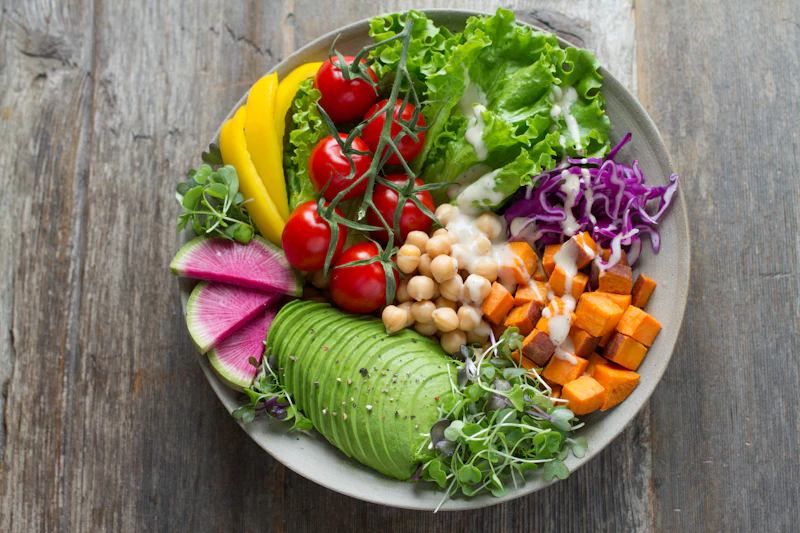 Adding fresh vegetables to your meals is the easiest way to increase your fiber intake.
How to Add More Fiber (Without the Bloating)
When you increase your fiber intake, do it slowly. If you go from eating zero fiber to 50 grams a day, your stomach will not be happy. Also, drink plenty of water!
Here are simple ways I added more fiber to my diet:
- Swap white for brown: Switch white rice for quinoa or brown rice, and white bread for whole grain.
- Snack on fruit: Instead of chips, I started eating apples (with the skin on!) or pears.
- Eat the skins: Don't peel potatoes, apples, or cucumbers. The skin is where a lot of the fiber lives.
What About Fiber Supplements?
Sometimes, life gets busy and we don't reach our daily fiber goal (which is about 25-30 grams a day). In those moments, a natural fiber supplement can be a helpful tool.
I personally like to have a fiber supplement on hand for days when I know I haven't eaten enough vegetables. It helps keep my digestion smooth and my cravings in check.

Looking for an Easy Fiber Boost?
If you want to support your digestion and feel fuller for longer, check out the natural supplement I use.
View Official Information *Affiliate Link: We may earn a commission at no extra cost to you.The Takeaway
Fiber isn't a magic pill, but it is one of the most effective, cheapest, and natural ways to improve your digestion, balance your blood sugar, and control your appetite.
Start small: add one piece of fruit or a handful of nuts today, and build from there. Your body (and your stomach) will thank you.
Transparency: This article may contain affiliate links. If you make a purchase through them, NutriCapSolutions may earn a commission at no additional cost to you. This content is for informational purposes and is not medical advice. Always consult with a healthcare professional before starting any new supplement.