
Vitamins are micronutrients your body needs in small amounts to function properly. They support everything from energy metabolism and immune function to bone health and vision. But the world of vitamins is full of conflicting advice—and marketing hype.
I’m a wellness enthusiast, not a medical professional. This article shares general ideas about vitamins based on publicly available nutrition guidance. Everyone’s needs are different, and certain health conditions, medications, pregnancy, and dietary restrictions can change vitamin requirements. If you’re unsure about your needs, speak with a healthcare professional or registered dietitian.
Why Vitamins Matter
Vitamins are involved in hundreds of processes in the body. Some are water-soluble (like vitamin C and B vitamins), meaning excess amounts are generally excreted in urine. Others are fat-soluble (like vitamins A, D, E, and K), meaning they can accumulate in the body—and excessive intake can be harmful.
- Energy metabolism: B vitamins help convert food into energy.
- Immune function: vitamins C, D, and others support normal immune function.
- Bone health: vitamins D and K support bone structure and calcium regulation.
- Vision and skin: vitamin A supports vision and skin health.
- Antioxidant protection: vitamins C and E help protect cells from oxidative stress.
Understanding these roles can help you see why a varied diet matters—and why “more” isn’t automatically better.
Key Vitamins and Where to Find Them
Vitamin A
Supports vision, skin, and immune function. Found in carrots, sweet potatoes, spinach, and liver. Beta-carotene from plant foods is converted to vitamin A as needed.
B Vitamins (B1, B2, B3, B5, B6, B7, B9, B12)
Support energy metabolism and nervous system function. Found in whole grains, beans, eggs, meat, fish, leafy greens, and fortified foods. Vitamin B12 is naturally found mainly in animal products, so vegans may need fortified foods or a supplement.
Vitamin C
Supports immune function and collagen production, and acts as an antioxidant. Found in citrus fruits, bell peppers, strawberries, broccoli, and tomatoes.
Vitamin D
Supports bone health and immune function. Produced in the skin with sunlight exposure; also found in fatty fish, egg yolks, and fortified foods. Many people may benefit from checking their levels with a healthcare professional.
Vitamin E
An antioxidant that protects cells. Found in nuts, seeds, vegetable oils, and leafy greens.
Vitamin K
Supports blood clotting and bone health. Found in leafy greens, broccoli, and fermented foods.
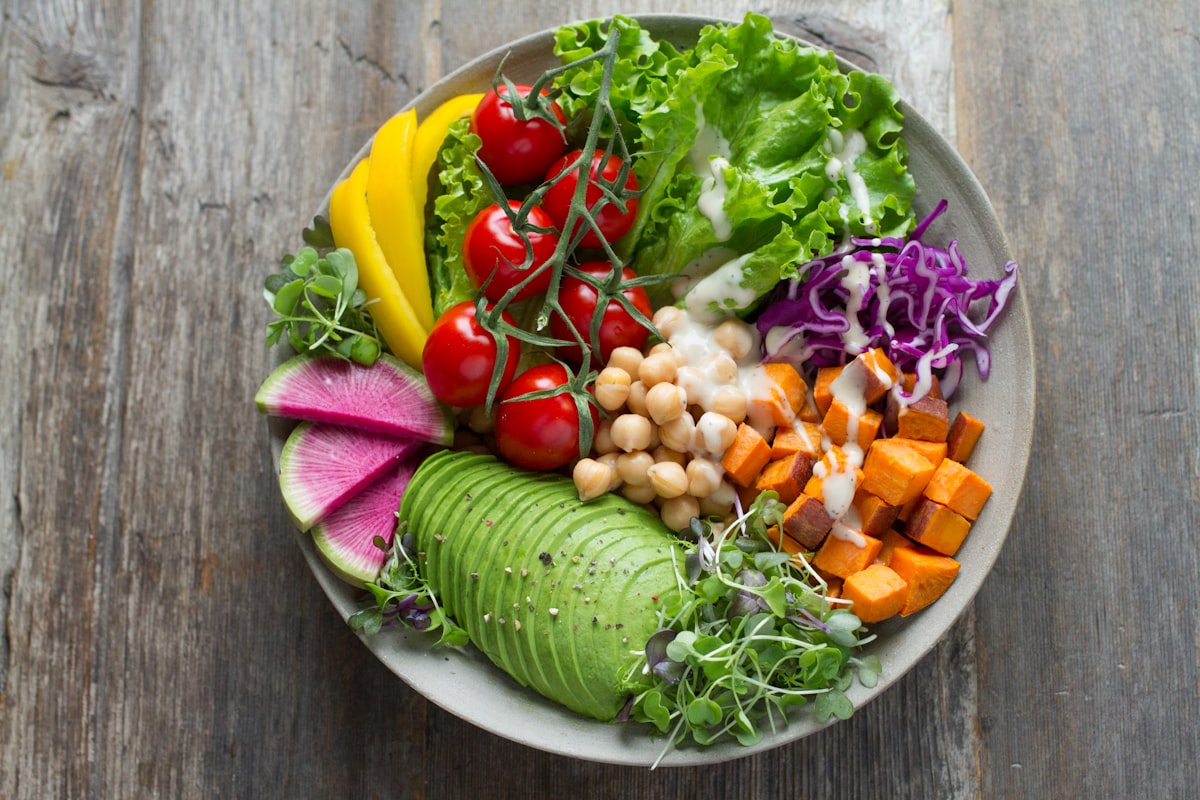
A varied, colorful diet is the most reliable way to meet vitamin needs.
What’s Best to Avoid
- Megadoses without guidance: high doses of fat-soluble vitamins can be harmful.
- Assuming more is better: more vitamins isn’t necessarily better—and can sometimes cause side effects.
- Replacing meals with supplements: supplements cannot replicate the complex benefits of whole foods.
- Ignoring interactions: some vitamins and supplements interact with medications.
What About Vitamin Supplements?
Some groups may benefit from specific supplements—for example, vitamin D for people with limited sun exposure, vitamin B12 for vegans, or folate for people planning pregnancy. But supplements should be chosen thoughtfully, not randomly.
Before buying a supplement, review the full ingredient list, warnings, manufacturer information, and return policy. If you take medication, are pregnant or breastfeeding, or have a health condition, consult a healthcare professional before using it. “Natural” does not automatically mean safe or necessary.
Want to Learn More About Wellness Habits?
Explore more guides on our blog—from better sleep and morning routines to brain health, hydration myths, and managing stress naturally.
Explore More Wellness GuidesEducational content only. Not a substitute for medical advice.
Quick Summary: Key Vitamins at a Glance
| Vitamin | Key Role | Food Sources |
|---|---|---|
| Vitamin A | Vision, skin, immune function | Carrots, sweet potatoes, spinach, liver |
| B vitamins | Energy metabolism, nervous system | Whole grains, beans, eggs, meat, leafy greens |
| Vitamin C | Immune function, collagen, antioxidant | Citrus, bell peppers, strawberries, broccoli |
| Vitamin D | Bone health, immune function | Sunlight, fatty fish, egg yolks, fortified foods |
| Vitamin E | Antioxidant protection | Nuts, seeds, vegetable oils, leafy greens |
| Vitamin K | Blood clotting, bone health | Leafy greens, broccoli, fermented foods |
Conclusion: Food First, Supplements When Needed
For most people, a varied diet rich in vegetables, fruit, whole grains, protein, and healthy fats covers vitamin needs. Supplements can be helpful in specific situations—but they should be chosen with intention, not hype.
If you’re unsure whether you need a supplement, or you have a health condition that affects nutrient absorption, speak with a healthcare professional. This article is for educational purposes and does not replace medical evaluation.